Live Webcast: Introducing New AI-Powered Solutions
Join May 7th as Riverbed Unveils Significant AI-powered Solutions to Optimize Digital Experiences

Gartner®️ Market Guide for DEX Tools
Enhance the Digital Employee Experience (DEX) in Modern Workplaces

Intelligent Service Desk
Aternity can fix a broad spectrum of recurring issues, prevent incidents, employ optimal resolutions, and reduce user frustration

WHY YOU NEED US
Maximize Visibility and Performance
Overcome the challenges of insufficient visibility, unpredictable network and application performance, and expanded cyber security risks—all while improving your ability to be agile and resilient.

Unified Observability
Deliver flawless digital experiences to customers and employees

IT Asset Cost Reduction
Reduce costs for devices, software, cloud and network

Cloud Visibility and Performance
Reduce the risks and costs of migrating apps to the cloud

Network and App Acceleration
Fast, seamless, secure app delivery for distributed enterprise

WHAT WE DO
Modernize IT for Digital and Cloud Success
To take advantage of digital and cloud technologies that fuel transformation, organizations must modernize their IT infrastructure.
But this doesn’t happen overnight. Whatever the pace, Riverbed can help IT teams make the transition in the most performant, cost-effective, and secure way.
Riverbed Solutions
Full-fidelity, No Sampling

Digital Experience Management

Network Performance Management

Application Performance Monitoring

Infrastructure Monitoring
Acceleration Solutions
Hybrid, Cloud, On-prem

Cloud Acceleration

SaaS Acceleration

Remote Work Acceleration

WAN Acceleration
CUSTOMER STORIES
Empowering Digital Experiences Worldwide










A More Transparent User Experience for More Seamless Fleet Manageability
"The experience of the entire Intel workforce is affected by device performance. Getting a holistic view of that is key. This is the value of Aternity — bringing all that data together from different devices and sources into a single pane of glass. It makes that data actionable, helping us deliver better service to a demanding employee base."
Julian Braham, Principal Engineer, Intel IT

Deliver Exponential Digital Banking Growth & Improve Digital Experience for Users
"With automated alerts, mean-time-to resolution is almost at zero. We can see an anomaly as soon as it happens and resolve it before it impacts service. This actionable insight really does ensure optimum performance and a great customer experience."
Namık Kemal Uçkan Head of IT Operations, Halkbank

UK energy firm exceeds end-user expectations by providing a seamless digital experience
"We’ve completely transformed the way we manage issues, moving from being reactive to proactive and now we can actually foresee and manage issues before they arise. Aternity has transformed the way we work and how IT is perceived as a department throughout the business."
Donna Lloyd, Senior Enterprise Product Manager, Platforms & Enablement, Enterprise IT, EDF

Improve Clinicians Productivity While Saving on IT Costs
“Over a 5-year period we will save around £2.5 million to £3 million in terms of total IT costs. This is fantastic as the funds can be spent on other vital improvements for patient care.”
Jeffrey Wood, Deputy Director of ICT, The Princess Alexandra Hospital NHS Trust

Aggregating Data for Better Insights Delivers High-Quality User Experiences
"The ability to view all the data together on a single pane of glass is priceless. The Riverbed solutions have given us the ability to provide a stable, high performing environment for our users, which translates to high quality experiences for hundreds of thousands of members."
Doug Horner, SVP, IM Operations, Global Credit Union

ADDITIONAL RESOURCES
What’s New at Riverbed

Power of Riverbed Aternity’s Intelligent Service Desk
A game-changer designed to propel your IT Service Desk in to new world
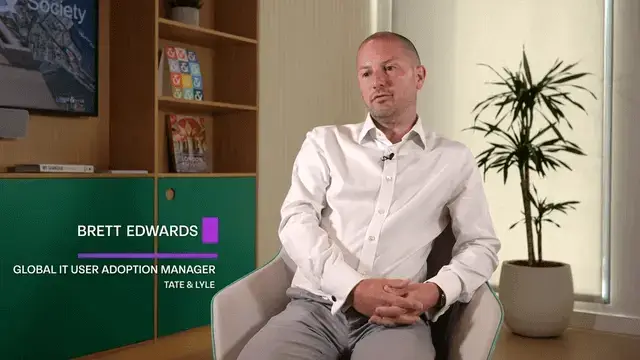
Tate & Lyle
FTSE 250 global supplier of food and beverage ingredients reduces software costs and improves network visibility

Retention of Millennial and Gen Z Employees Rests Heavily on DEX
CIOs Now Becoming Chief Talent Officers Too